DUT – MULTIGINATION PROJECT

DUT – MULTIGINATION PROJECT
The project provides an innovative process and tools for empowering the multiplicative imagination of public spaces and streets, leading to actual urban interventions towards sustainability. Squares, Open Public Spaces, Car park spaces, mobility hubs, decentralised public offices are reshaped in the use-cases (embedding the 15mC goals) of a bottom-up process (involving experts, citizens, private companies, researchers, NGOs and city authorities).
The project is coordinated by the Open Urbanism Foundation. The consortium includes Başakşehir Municipality, HES-SO, Tampere University of Applied Sciences, the City of Winterthur, ZHAW and Drees & Sommer, among other partners.
MULTIGINATION project overview
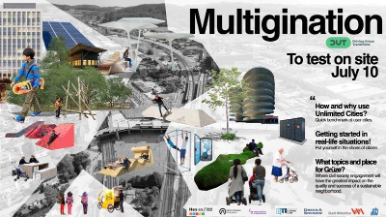
Duration: January 2024 – December 2026,
Main objective
To help cities make urban planning more inclusive by combining citizen-led ideas with municipal strategies, expert knowledge and collaborative decision-making.
Pilot locations
Başakşehir, Istanbul, Türkiye, and Winterthur, Switzerland, are pilot sites in the DUT project.
How the project works
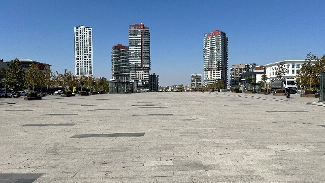
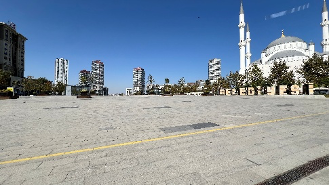
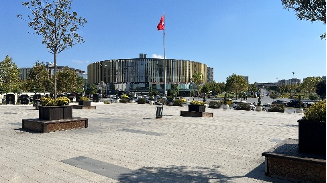
The project proposes three main mechanisms for participatory urban transformation and the use case of Başakşehir was Kayaşehir City Square chosen for Co-Design works
1. Co-imagination
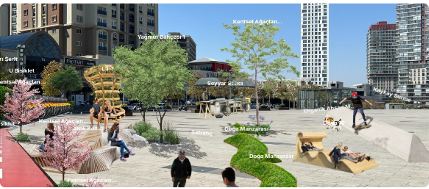
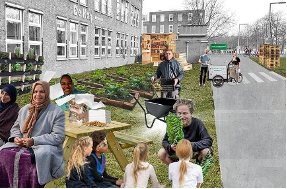
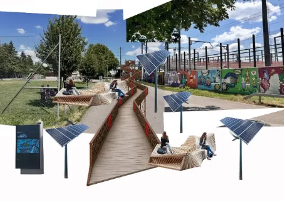
Residents and stakeholders contribute ideas about their streets, neighbourhoods, public spaces and future urban needs.
2. Voting on alternatives
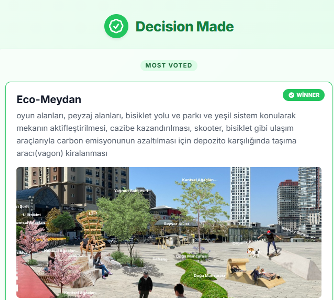
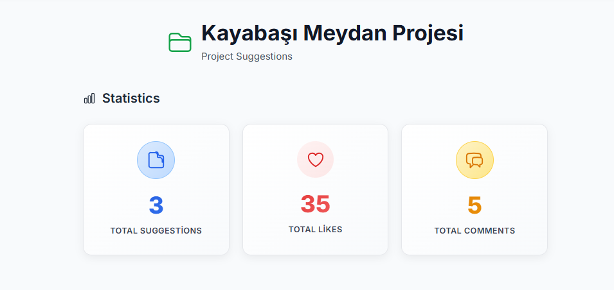
Citizens evaluate and vote on different urban development proposals, helping municipalities understand local priorities.
3. Crowdfunding and blended finance
The approach explores ways to mobilise public, private and community resources to support local urban transition initiatives.
What is the role of Başakşehir Living Lab?
Başakşehir is one of the project's real-world pilot environments. Its role is particularly relevant in five areas:
- Platform: Developing a democratic e-voting platform used by citizens and decision makers
- Citizen participation: involving residents and local stakeholders in shaping neighbourhood development.
- Urban co-design: connecting community-generated ideas with the municipality's planning and strategic priorities.
- Digital innovation: exploring open-source digital tools for gathering ideas and sharing information.
- Knowledge transfer: testing the methodology locally and sharing lessons with other participating cities and European partners.
Official project resources
· MULTIGINATION — Driving Urban Transitions official project page